




AI-driven Visual Inspection Aligned with Regulated Manufacturing
AVIS enables faster, more precise visual inspection by training exclusively on compliant product, helping teams reduce inspection complexity and improve consistency.Â
Rapid Model Training
New inspection models can typically be trained in under an hour, significantly reducing setup time compared to traditional vision systems.
No Defect Sets
Defects aren’t required to train AVIS. It only requires 500 units of compliant product for training.
No Inspection Bottlenecks
Delivers continuous, high-throughput inspection at 50+ parts per minute, keeping production moving without inspection bottlenecks.
Inspection You
Can Trust
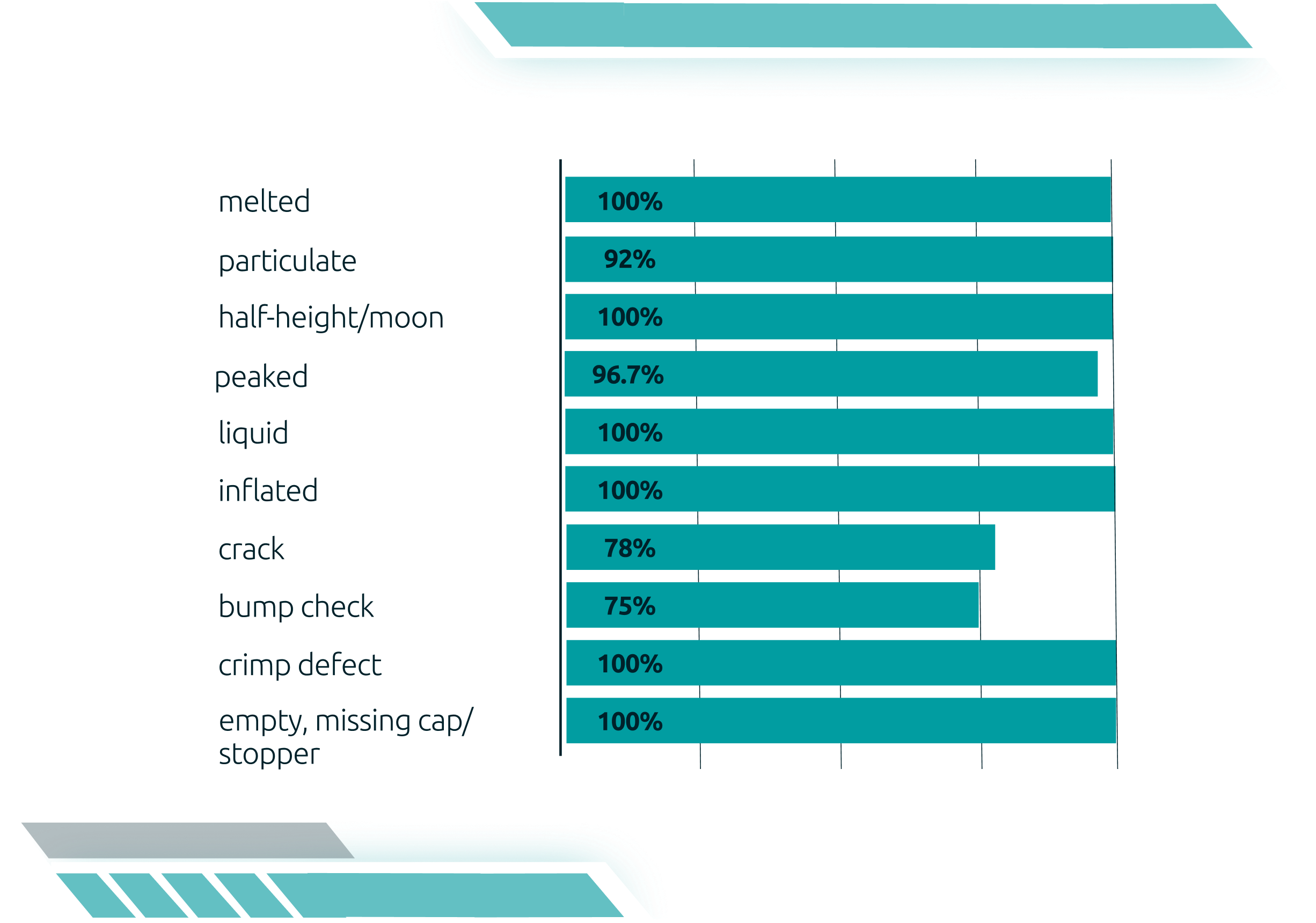
Delivers inspection performance comparable to—or better than—trained human inspectors, with greater consistency and repeatability.
Enhance quality and throughput with the first visual inspection system designed for pharmaceuticals that learns normal variation without labeling defect sets.
AVIS automatically detects unknown defects at production scale with inspection performance comparable to or better than trained human inspectors, training on compliant pharmaceutical product rather than labeled defect images to provide a practical and scalable approach to automating visual inspection for the world’s most challenging pharmaceutical products.
GMP COMPLIANCE
AVIS and the DAI-50 are designed to support compliance with applicable pharmaceutical GMP requirements, including FDA 21 CFR Part 11 and EU Annex 11.
REGULATORY ALIGNMENT
The platform is developed in alignment with current regulatory expectations for the use of AI and machine-learning tools in production environments, including principles related to validation, change control, and appropriate human oversight.
REDUCED DOWNTIME
AVIS reduces downtime in numerous ways. Our software can support multiple SKUs and differential lots providing rapid changeover on the same or different product lines. Our systems also have one of the smallest footprints of any AVI making it very easy to move from line to line.
TRUSTED SUPPORT & EXPERTISE
From conception all the way to deployment, we are here for our clients through every step of the process. After deployment, our dedicated experts are able to provide ongoing support and emergency assistance to ensure clients' peace of mind.
DAI-50
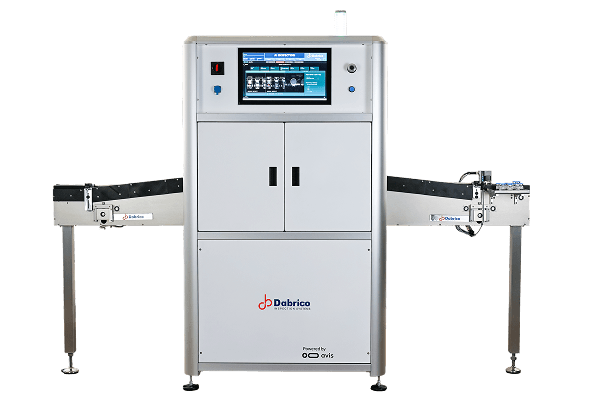
Built by Dabrico - Powered by AVIS The DAI-50 is a fully integrated automated visual inspection machine that combines Dabrico’s hardware with AVIS’s anomaly-based AI software.
- Compact 36″x 36″ automated visual inspection machine
- Three camera, AI-based inspection at up to 50 vials per minute
- Train a recipe for new products in one day
- No AI or computer vision expertise needed
- Trains from compliant units (no defect sets needed for training)
- Integrated material handling system and ejectionÂ
Damond Wells
Vials Focus Factory Leader, Pfizer
The AVIS platform is earth shattering and paving the way for future inspection technologies and methods.
Four steps to create an inspection recipe
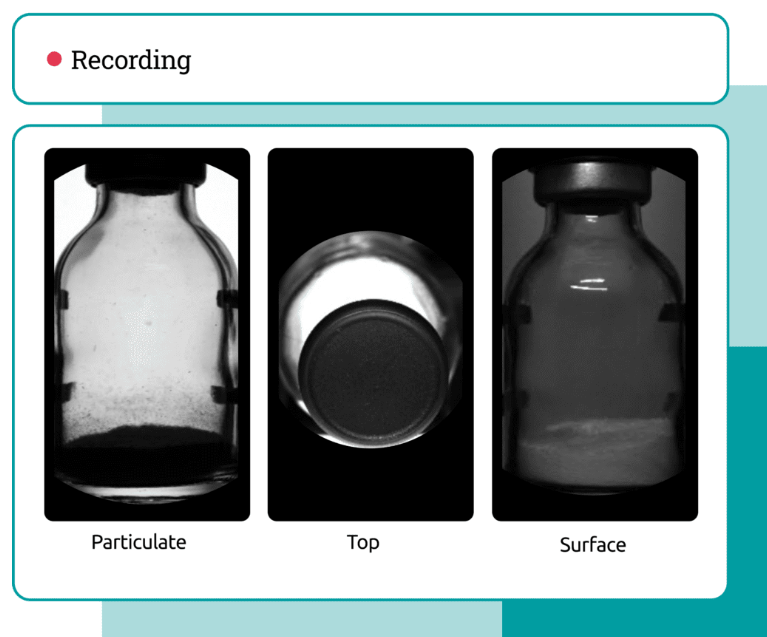
Record
Create a recording of 500 compliant units of product.
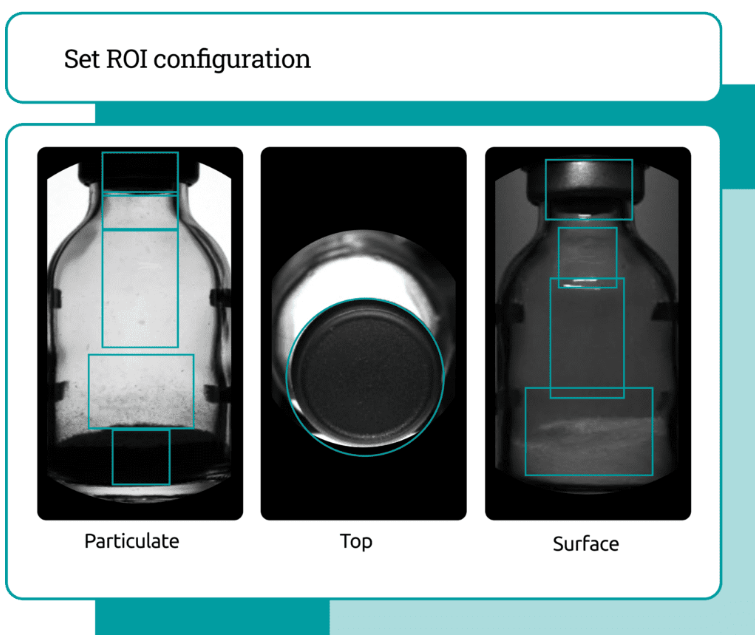
Configure
Select regions of interest (ROIs) for all cameras. AVIS creates an individual model for each ROI.
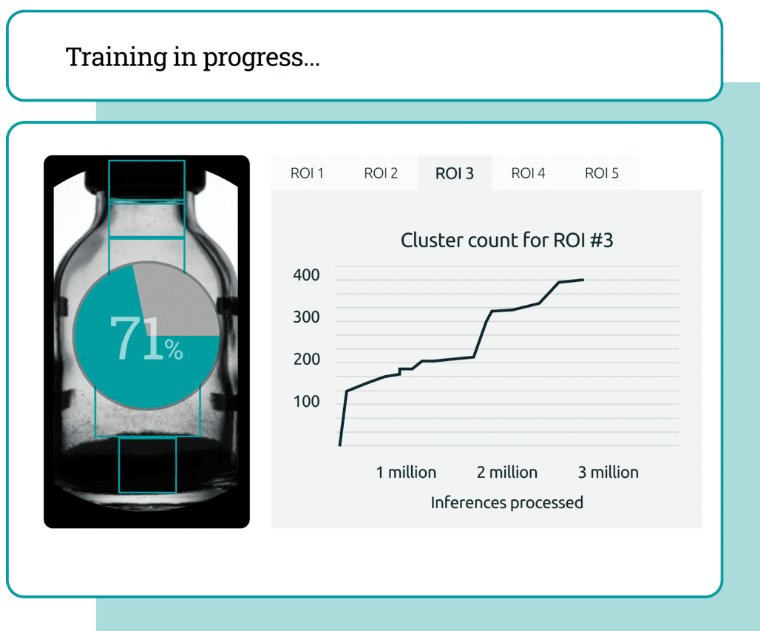
Train
AVIS creates a recipe by autonomously training to recognize all normal variation within each ROI. This typically is complete in less than 15 minutes.
Run
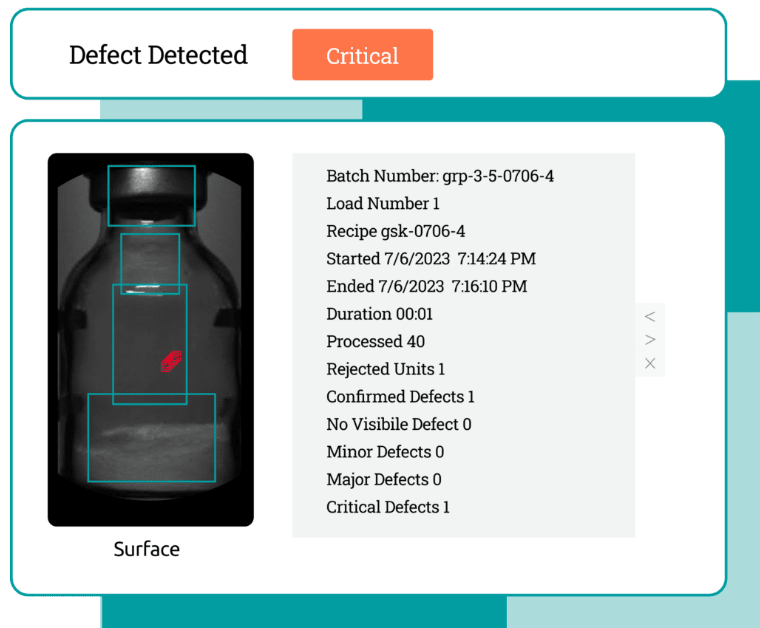
AVIS uses its reference models of normal variation to detect defects which are displayed on the AVIS HMI and archived in the audit trail.
Record
Create a recording of 500 compliant units of product.
Configure
Select regions of interest (ROIs) for all cameras. AVIS creates an individual model for each ROI.
Train
AVIS creates a recipe by autonomously training to recognize all normal variation within each ROI. This typically is complete in less than 15 minutes.
Run
AVIS uses its reference models of normal variation to detect defects which are displayed on the AVIS HMI and archived in the audit trail.
Record
Create a recording of 500 compliant units of product.
Configure
Select regions of interest (ROIs) for all cameras. AVIS creates an individual model for each ROI.
Train
AVIS creates a recipe by autonomously training to recognize all normal variation within each ROI. This typically is complete in less than 15 minutes.
Run
AVIS uses its reference models of normal variation to detect defects which are displayed on the AVIS HMI and archived in the audit trail.
Record
Create a recording of 500 compliant units of product.
Configure
Select regions of interest (ROIs) for all cameras. AVIS creates an individual model for each ROI.
Train
AVIS creates a recipe by autonomously training to recognize all normal variation within each ROI. This typically is complete in less than 15 minutes.
Run
AVIS uses its reference models of normal variation to detect defects which are displayed on the AVIS HMI and archived in the audit trail.
Record
Create a recording of 500 compliant units of product.
Configure
Select regions of interest (ROIs) for all cameras. AVIS creates an individual model for each ROI.
Train
AVIS creates a recipe by autonomously training to recognize all normal variation within each ROI. This typically is complete in less than 15 minutes.
Run
AVIS uses its reference models of normal variation to detect defects which are displayed on the AVIS HMI and archived in the audit trail.
Have Visual Inspection Questions?
AVIS Has Answers.
Do you have questions about our visual inspection machines and solutions? We've answered the most common questions from our clients below to help you make the most informed decision about choosing AVIS.
Still have questions? Feel free to reach out to our technical experts for personal support.
How does AVIS compare to manual inspection from a regulatory and performance standpoint?
AVIS delivers inspection performance rates equal to or better than trained human inspectors, without the variability of manual inspection.
AVI Qualification is often perceived as challenging and resource-intensive. How is AVIS different?
Traditional AVI systems rely on extensive rule tuning and defect libraries, which increase qualification scope and revalidation risk. AVIS uses unsupervised AI to establish a stable baseline of normal product behavior, reducing upfront configuration and limiting the need for ongoing retraining. This results in a more predictable, auditable, and sustainable qualification process aligned with GMP expectations.
What performance characteristics can we expect from AVIS?
Across validated deployments, AVIS consistently outperforms the human inspection baseline. Typical false reject rates range from 1–6%, compared to 10–20% for manual inspection and up to 45% for legacy AVI systems. Detection performance varies by application but typically exceeds human inspection across lyophilized, powder-filled, and capped container inspections.
How does AVIS differ from traditional rule-based or semi-automated AVI systems?
Rule-based AVI systems depend on predefined defect definitions and frequent tuning as products, lighting, or processes change. AVIS learns normal product behavior directly from production data, reducing subjectivity and improving long-term stability without continuous rule maintenance.
What is the typical timeline from order to production qualifications?
AVIS systems are largely configured prior to delivery. On-site qualification typically focuses on system integration and verification rather than extended tuning cycles, resulting in shorter and more predictable timelines compared to traditional AVI implementations.
How does AVIS impact false rejects, waste, and line efficiency?
Lower false reject rates reduce unnecessary product waste and reinspection workload. Customers typically see improved inspection consistency, reduced operator intervention, and more stable line throughput compared to manual or semi-automated inspection.
What level of ongoing tuning or maintenance does AVIS require?
Once qualified, AVIS requires minimal ongoing tuning. Normal process variation or product changeovers do not typically require frequent retraining, reducing lifecycle validation effort and ongoing engineering support.
What drives return on investment with AVIS?
ROI is driven by reduced labor dependency, lower false reject rates, decreased waste, improved inspection consistency, and reduced validation burden. For CDMOs, these benefits also support faster tech transfer, smoother customer audits, and more scalable operations.
Success Stories
